
You Can Flourish
We can HELP
SERVING OSHKOSH, FOX CITIES AND FOND DU LAC CAMPUSES
Welcome to the Counseling Center
The Counseling Center at the University of Wisconsin Oshkosh is a center of encouraging, compassionate professionals who engage students in overcoming challenges and achieving wellness while honoring the dignity and worth of each person.
During Office Hours
Make an appointment to see one of our counselors. If you are experiencing a mental health crisis (thoughts of harming self or others, recent loss or trauma), please inform us upon your arrival or call.
After hours SUPPORT
If you are experiencing a crisis after the Counseling Center is closed, please contact one of the following agencies:
UW MENTAL HEALTH SUPPORT 24/7
CALL (920) 424-2061, option 2
CALL or TEXT 1-888-531-2142
CHAT with a counselor
OTHER RESOURCES
CALL 911
National Support Line CALL or TEXT 988
Connect with the Winnebago County Crisis Mental Health at (920) 233-7707
QUICK INFORMATION
Monday-Friday 8:00 a.m.- 4:30 p.m.
(920) 424-2061
UWO Counseling Center
uwocounselingcenter
VISIT US
Oshkosh Campus
Fond du Lac Campus
Fox Cities Campus
STUDENT RESOURCES
Log into the student portal
Find help for you or someone else
What to Expect


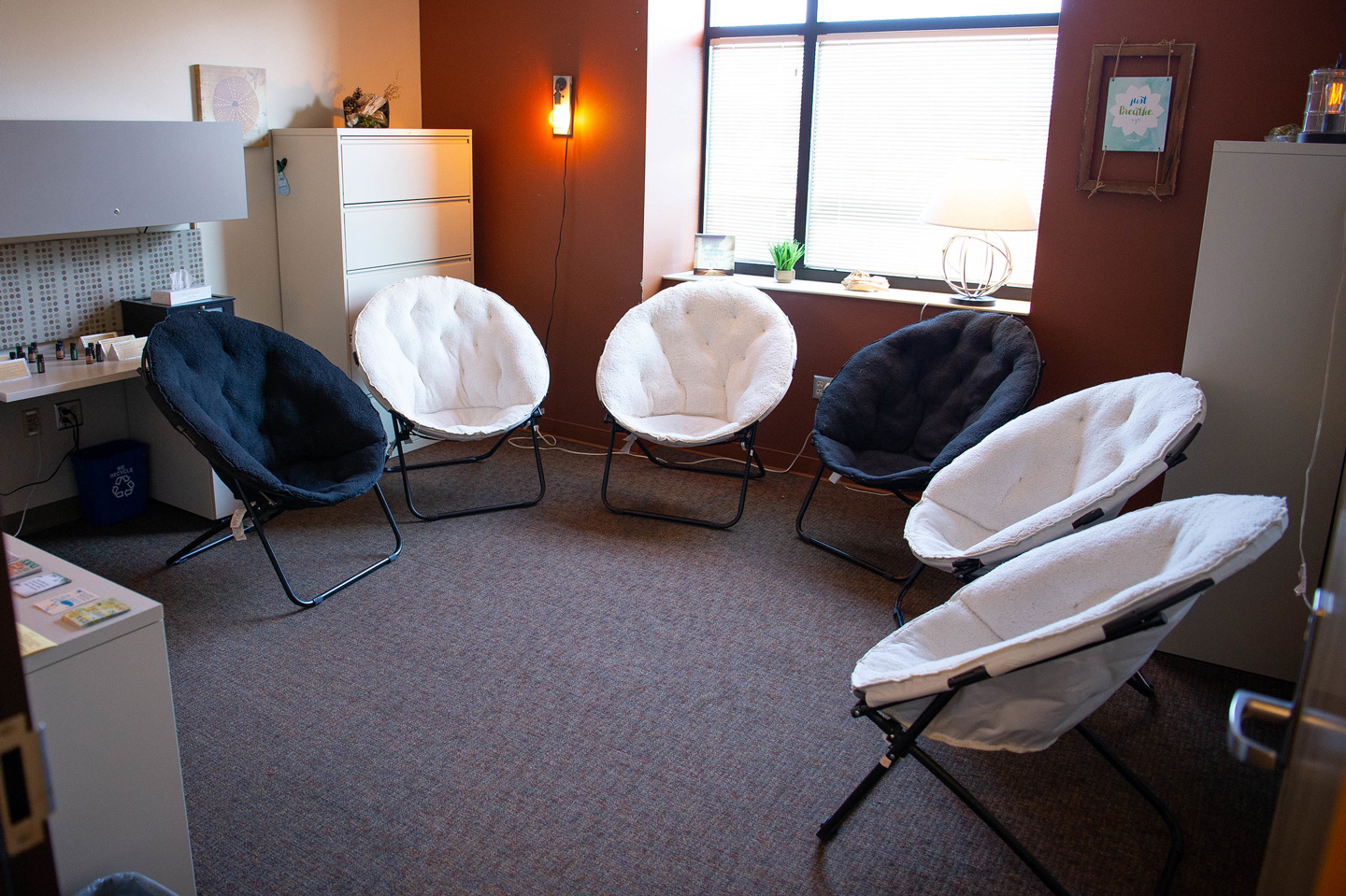

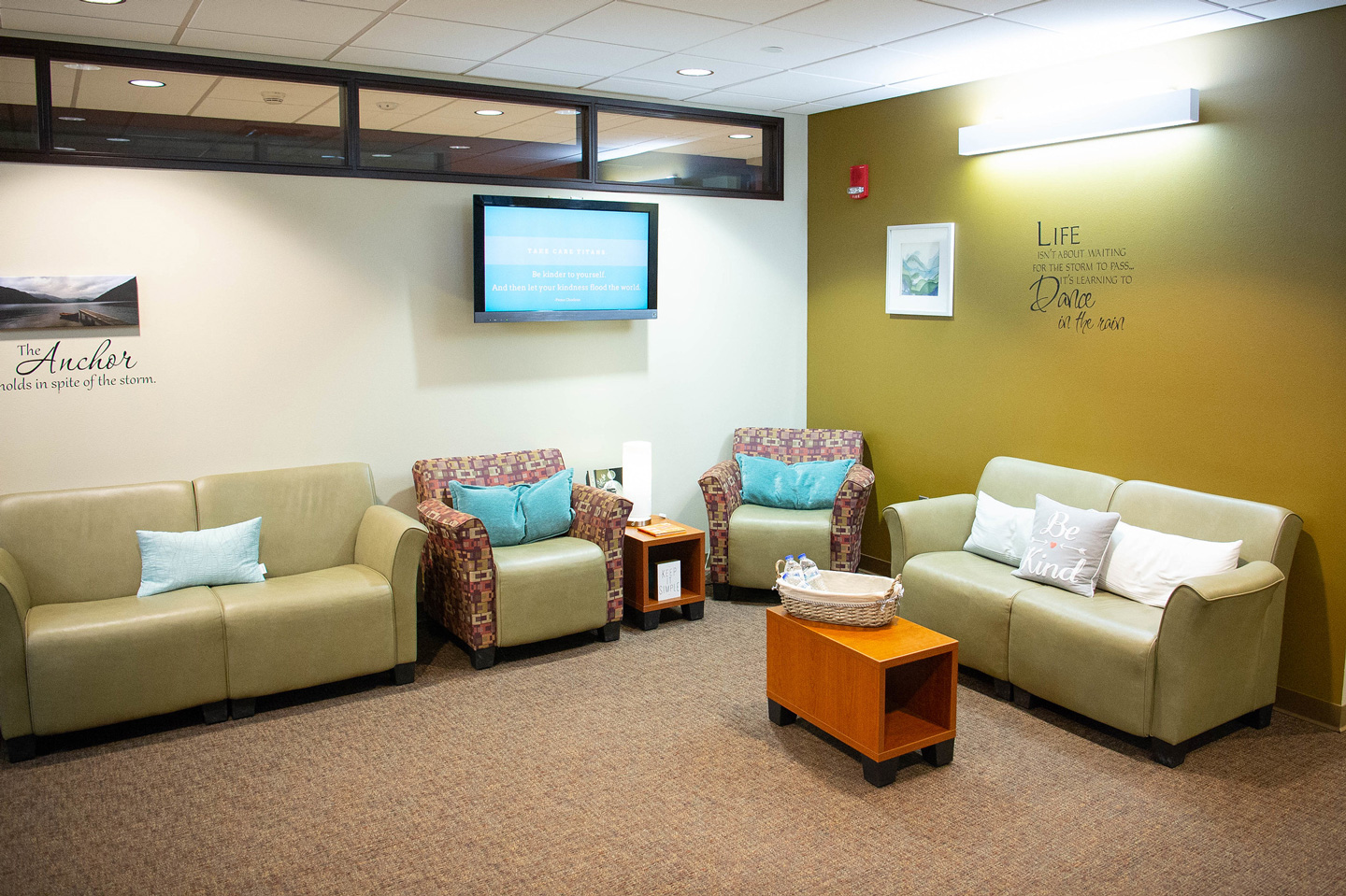


The Counseling Center at the University of Wisconsin Oshkosh provides a place of inspiration and guidance for the complete wellness of all students. Our approach includes a balance of treating mental illness concerns and strengthening the essential aspects of mental health. Our focus is for students to flourish, which includes feeling good and functioning well.
SERVICES AND AMENITIES
Counseling
Information and Guidance
Just Breathe Room
Outreach and Involvement Opportunities
Rejuvenation Room
Confidentiality Information
The UW Oshkosh Counseling Center is required by state law and ethic standards to guarantee that everything a counseling client talks about with a counselor is held in strict confidence. This means that information shared by you during counseling will be kept within the confines of the Counseling Center and will not be shared with others (including parents, other family members, instructors, or other university officials) unless you give written authorization to release the information.
Exemptions to Confidentiality
- Counselors with the Center routinely consult with one another about cases in order to provide the most effective service to students.
- If you threaten to harm yourself or anyone else and we believe the threat is serious, we are obligated to take appropriate action to protect life. This may include arranging voluntary or involuntary hospitalization, notifying law enforcement authorities, university personnel, and/or notifying the emergency contact you have designated.
- If we have reason to believe that you or someone you know is abusing or neglecting children or a vulnerable adult, we are required by law to report this to the appropriate state agency.
- If you are involved in litigation and we receive a court order requesting records, we are required by law to comply.
Find Your Inspiration
The Counseling Center at the University of Wisconsin Oshkosh is here on campus to provide a place of inspiration and guidance for the complete wellness of all students. Our approach includes a balance of treating mental illness concerns and strengthening the emotional aspects of mental health.
What does it mean to flourish?
Our focus is for students to flourish, which includes feeling good and functioning well. The Counseling Center has returned to providing in-person services while maintaining tele-mental health options for students. We also have a wide range of adjunctive services to assist you in Flourishing at UWO.

is a website that helps you find tips, guidance and resources to make the most of your semester.
EMBRACE THE POWER OF YOU!
Mantra Health
TELEHEALTH & TELEPSYCHIATRY  Services available during the day, evenings and weekends.

Self-care needs to be added to this semester’s To-Do list for all Titans!
YOU CAN FLOURISH
WE CAN HELP!
Get Started Today!
TALK TO A COUNSELOR
Schedule an appointment
Mon-Fri 8:00 a.m.- 4:30 p.m.
VISIT US
Oshkosh Campus
Student Success Center
Suite 240
Fond du Lac | Fox Cities
CONNECT WITH US
(920) 424-2061
FAX (920) 424-1066
UWO Counseling Center
UWOcounselingcenter

YOU at UWO
Self-help and well-being platform that delivers tips and tools for students to find balance for during the semester.
Access your account with your NETID

Mantra Health
Teletherapy and Telepsychiatry support for students throughout the day, evenings and weekends. Signup or Login
After hours | UW Mental Health Support 24/7
CALL (920) 424-2061, option 2
CALL or TEXT 1-888-531-2142
CHAT with a counselor
National suicide and crisis lifeline: CALL or TEXT 988
Connect with Winnebago County Crisis Mental Health at (920) 233-7707